 |
| Microbial Communities Found On Ocean Debris |
Wednesday, February 26, 2014
The Secret Life of Ocean Microbes
We all know that microbes play a huge role in the ocean. We also know that the ocean is teeming with trash, which collects in places in the ocean where currents can trap the debris, such as the great Pacific garbage patch, which is about the size of Texas. Little was known about how sea debris affected the entire ocean ecosystem or how microbial communities, dubbed "plastisphere", are impacting the ocean ecosystem. Last year, scientists discovered that about 1,000 microbes thrived on the plastic debris that drifts in the oceans. A lot of the bacteria belong to the genus Vibrio (the same genus as the cholera bacteria), which is known to cause diseases in humans and animals. Other microbes of the plastisphere seemed to hasten the breakdown of the plastic. What's clearly interesting, however, is that these microbes look markedly different from ordinary marine microbes. Scientists have found evidence that these microbes can form colonies on plastic in just a few minutes. In addition, some types of harmful bacteria tend to prefer living on plastic more than others do. Unlocking the mysterious world of these microbes could help scientists understand the role of plastic in the ocean as a whole. Tracy Mincer, an associate scientist at Woods Hole Oceanographic Institution in Woods Hole, Mass., says that "one of the benefits of understanding the plastisphere right now and how it interacts with biota in general, is that we are better able to inform materials scientists on how to make better materials and, if they do get out to the sea, have the lowest impact possible." This could possible mean that plastic, glass, and paper may become obsolete and that new materials might be created from the findings of these microbes. These new materials will break down easier and have the lowest impact on marine life and on the ocean ecosystem. Nothing in this article is unclear, the author does a fine job explaining how trash in the ocean affects its ecosystem and how communities of microbes have been found in the debris.

Wednesday, February 19, 2014
Stop Microbes, Not Missiles
Jason Beaubien from NPR explains how the Global Health Security Agenda plans on building a worldwide surveillance system for infectious diseases. Them, along with the World Health Organization and several other international groups, aims to stop epidemics and bioterror agents before they spread. Dr. Tom Frieden, the director of the Centers for Disease and Control Prevention, says that the U.S. and the world are at greater risk than ever before from biological organisms. "Viruses are just a plane ride away, bird flu could spread out of Asia. Ebola could emerge out of central Africa, or drug-resistant Staphylococcus can sweep through hospital wards." The Global Health Security Agenda is an attempt to make the world better prepared to confront those threats. The Obama administration seems to agree also. It has placed several high-ranking officials on the project, not just from the medical side of the government, but also from the U.S. military and the Department of Homeland Security. The GHSA plans to build a structure for biosurveillance so that other countries will be able to quickly detect the next major epidemic. The program also will set standards for national laboratories and outline the diagnostic tools needed to spot and contain modern diseases. The participating countries seem to have committed to creating emergency disease centers that can respond within two hours to an outbreak or some other crisis. It's unclear how much the GHSA will cost the U.S. Other countries seem to be spending their own money on the parts they're implementing themselves, such as China. But the Obama administration apparently will be committing an extra $45 million to the CDC's 2015 budget to help low-income countries participate in the network. The money will mainly go to improve surveillance systems, update diagnostic equipment, and train staff. Nothing in the text is unclear or confusing, the writer seems to know what he's talking about and explains it clearly. He is just explaining how the Global Health Security Agenda plans to help stop infectious diseases and bioterrorism.
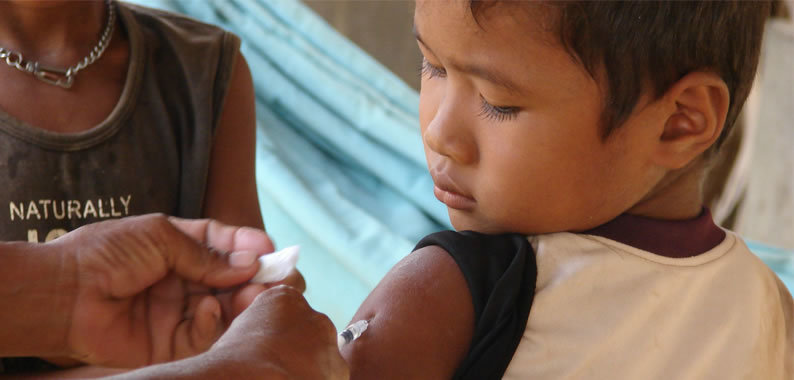 |
| Global Health Security Agenda plans to help stop infectious diseases around the world. |
Wednesday, February 12, 2014
Colder Climate, Fatter Microbes In Gut
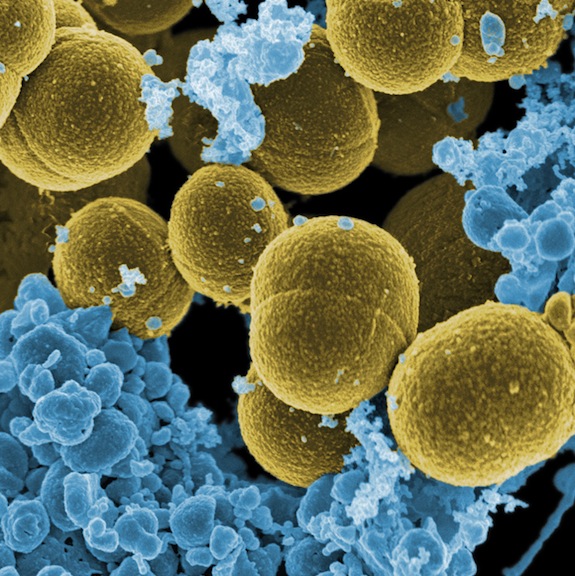
Tia Ghose, publisher from Live Science, describes how people who live in colder climates tend to have more of the gut microbes associated with obesity, a new study suggests. She writes how researchers have found that people living farther north, colder locales in general, tend to have more of the bacterial group called Firmicutes and fewer of the group Bacteriodes within their guts. Research has shown that people with more Firmicutes bacteria tend to be heavier, while people who are leaner have more Bacteriodes. This doesn't however directly tie with the person's BMI (body mass index), so it doesn't prove how bacterial gut composition affects obesity. Taichi Suzuki, a doctoral candidate in integrative biology at the University of California, Berkeley, say's this study has found an association, not a causal relationship, between gut bacteria and geography. "As a result, it's hard to say whether genetic differences, dietary changes, or some other mechanism is at play. Past work had suggested that people have adapted to colder climates by packing on extra pounds to act as insulation. For instance, some studies have found that Inuits tend to be heavier than African tribesmen." Suzuki said. The relationship between cold and weight isn't clear-cut, however. Spending time in the cold also increases caloric expenditure and that shivering triggers similar muscle responses as exercise. Suzuki and his colleagues looked at studies that describes the gut microbes of 1,020 people from 23 populations around the world, from Sweden to Malawi. Their finding of differences in gut bacteria doesn't appear only in humans. The studies showed that mice captured in northern parts of the United States tend to be heavier than their counterparts in Florida and also have obesity-linked microbes. Even though there is no direct correlation between climate and obesity, the studies suggest that certain gut microbes that only thrive in the cold have a link to being heavier. The author clearly explains the studies, and provides her opinion at the end of the article. She provides evidence given from Taichi Suzuki and also from past studies.
 |
| Bacteria Playing a Crucial Role in Fat Digestion |
Wednesday, February 5, 2014
1,300 Microbe Species Found In Beijing Smog
Tony Barboza from the Los Angeles Times, reports that a new study has detected traces of more than 1,300 species of microbes in some of Beijing's most polluted air. Most of the detected microbes were just harmless bacteria that are usually found in soil. But they were also some traces of some bacteria and fungi that have been know to cause allergies and respiratory diseases. Some of these pathogens were found in higher proportions collected on the smoggiest days. Ting Zhu, a biologist at Tsinghua University in Beijing, says "the purpose of the study was to add to our understanding of the microbes we inhale every day." The researchers then took measurements during a five-day episode of severe smog in Beijing in January 2013. The analysis focused on particulate matter, which included tiny particles known as PM2.5 which could burrow deep into the lungs and cause respiratory problems such as "Beijing cough" as well as lung and heart illnesses and premature deaths. Scientists used filters to collect particulate matter in the air, then extracted and sequenced the DNA in the samples to identify 1,315 microbial species, mostly bacteria. They also detected fungi and viruses, though in small numbers. Norman Pace, a microbiologist at the University of Colorado Boulder, says "that the microbes were no health concern" also saying the smog itself was what was deadly. The author explains clearly what was found in Beijing smog and also explains how the researchers who were conducting this went about collecting air samples and discovering hundreds of microbe species. Nothing was unclear and the author remained unbiased.
 |
| Normal Beijing vs. Smog Covered Beijing |
Subscribe to:
Comments (Atom)