 |
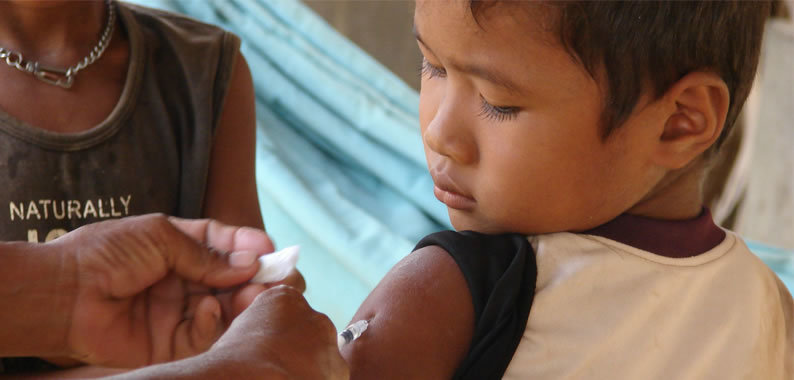
| Global Health Security Agenda plans to help stop infectious diseases around the world. |
Wednesday, February 19, 2014
Stop Microbes, Not Missiles
Jason Beaubien from NPR explains how the Global Health Security Agenda plans on building a worldwide surveillance system for infectious diseases. Them, along with the World Health Organization and several other international groups, aims to stop epidemics and bioterror agents before they spread. Dr. Tom Frieden, the director of the Centers for Disease and Control Prevention, says that the U.S. and the world are at greater risk than ever before from biological organisms. "Viruses are just a plane ride away, bird flu could spread out of Asia. Ebola could emerge out of central Africa, or drug-resistant Staphylococcus can sweep through hospital wards." The Global Health Security Agenda is an attempt to make the world better prepared to confront those threats. The Obama administration seems to agree also. It has placed several high-ranking officials on the project, not just from the medical side of the government, but also from the U.S. military and the Department of Homeland Security. The GHSA plans to build a structure for biosurveillance so that other countries will be able to quickly detect the next major epidemic. The program also will set standards for national laboratories and outline the diagnostic tools needed to spot and contain modern diseases. The participating countries seem to have committed to creating emergency disease centers that can respond within two hours to an outbreak or some other crisis. It's unclear how much the GHSA will cost the U.S. Other countries seem to be spending their own money on the parts they're implementing themselves, such as China. But the Obama administration apparently will be committing an extra $45 million to the CDC's 2015 budget to help low-income countries participate in the network. The money will mainly go to improve surveillance systems, update diagnostic equipment, and train staff. Nothing in the text is unclear or confusing, the writer seems to know what he's talking about and explains it clearly. He is just explaining how the Global Health Security Agenda plans to help stop infectious diseases and bioterrorism.

Subscribe to:
Post Comments (Atom)
This is actually a very useful plan that they are formulating. Through programs like this, they can keep an eye on serious illnesses and help try and stop them from potentially reaching a new destination. I've heard that disease can be transmitted through the air and plane rides to and from different countries. The only thing that is not clear is how they will stop things like bird flu from becoming a serious threat here: birds are carriers of this, so what happens if infected ones make their way to someplace new? This plan is an excellent one, but there are always holes that can be punched out of it. Hopefully, they find a way to make this plan even more effective than it already intends to be. This will definitely make disease containment a possible thing to help keep threats low around the world. Making us all happier and healthier in the end.
ReplyDeleteWoah, that's really interesting. It's hard to accept the fact that all of these deadly diseases have the potential to spread, with really no full way to stop it. It would be quite an amazing feat for the Health Security Agenda to stop all of these deadly pandemics. But exactly like Sami stated, I think there will always be a way for diseases to be carried, whether it be human travel, animals (birds), or something like the big dust storm we covered in class. I'm sure they will help out a ton in the long run, but completely killing off the spread of disease would be very difficult. Great article, and cool info!
ReplyDelete